

inside the vault
personalized therapy for late teens and twenty-somethings just like you
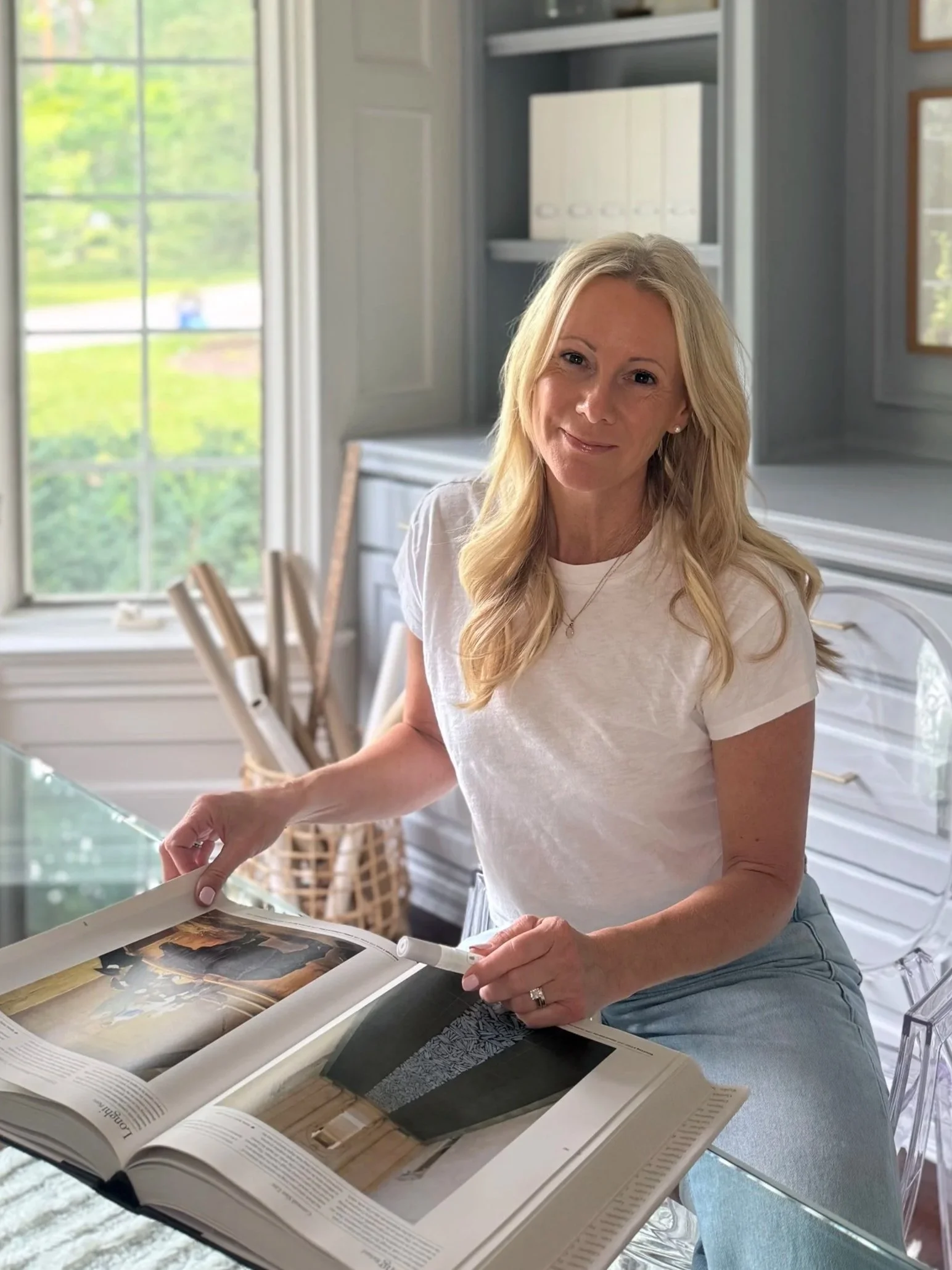
the lore of the vault
sue’s edition
I didn’t set out to become a therapist, yet somewhere along the way, I began noticing how people instinctively felt safe opening up to me and realized how rewarding it was to support them. Becoming a therapist was a natural fit.
My path started in education, as both a teacher and a faculty instructor at Western University. As I got to know my students, I began to discover how many were quietly struggling, coming to my office hours seeking relief, not because they weren’t capable academically, but because they were overwhelmed by life.
Others came to trust me with the secrets, worries, and pressures that were holding them down or holding them back. Many needed someone they could trust to genuinely listen, be present, and try to understand what they were experiencing before figuring out how to move forward.
In each of them, I increasingly saw parts of myself and recognized experiences I had once carried quietly on my own: being surrounded by friends yet feeling disconnected; questioning my abilities and whether I was enough; feeling the pressure to live up to others’ expectations; and feeling overwhelmed while putting on an endless performance of having it all together. And that was my experience without social media!
Over time, I came to understand just how deeply mental health support can shape not only a person’s ability to learn, but their ability to live. their. best. life.
It’s hard to focus, learn, and authentically thrive when other concerns are weighing you down. It’s hard to connect with others, grow, or truly feel like yourself when your emotional and psychological needs aren’t being met. So much of what allows us to thrive, personally, academically, and in our relationships, comes down to feeling safe, connected, understood, and emotionally supported.
And, to be fully raw, I’ve had times in my life when I didn’t feel connected or supported by the people around me. So yeah. I see you, I hear you, I get you.
And that’s what got me here.
I went back to school with a goal of helping others through their adulting era and a dream of doing it as my own boss.
Today, I see my role as a trusted confidant, a fresh set of eyes, and a trained professional who can step outside the situation with you and stand by your side as you navigate it all. Someone who can help you make sense of what’s happening, see things from a different perspective, and create space for you to think aloud and be completely honest without worrying about how your feelings might affect someone else.
One client put it perfectly: “u hv no skin in the game but I know u always had my back.”
That’s exactly the kind of therapist I want to be.
I’m in your corner when it feels like no one else understands how you feel, when trusting someone feels hard, or when you’re tired of trying to explain yourself. I know what it’s like to be there, too, and I bring that understanding into our time together.
When I’m not working with my amazing clients, you might just find me chasing sunsets on Lake Huron; pretending to track my protein; or finding creative ways to justify a travel receipt as self-therapy.
tap to unlock
-
I primarily work with individuals ages 16–29. Many - but not all - of my clients are high school, university, or college students and/or recent graduates. Some come to therapy knowing exactly what they want to work on, while others simply know that something doesn’t feel right and want a place to sort things out.
I commonly work with clients navigating:
anxiety and overwhelm: school, life, performance pressures, overthinking, and feeling like there is too much to manage
motivation and feeling stuck: low mood, loss of motivation, feeling disconnected, or struggling to move forward
relationships and dating: breakups, difficulty communicating, dating anxiety, and family or friendship conflict
self-esteem and identity: comparisons to peers and social media, confidence and self-worth, and pressure around achievement and success
life transitions: moving away from home, career uncertainty, and balancing school, work, relationships, and everything else that comes with becoming an adult
shoutout to the students
Post-secondary education brings its own particular pressures: high expectations, intense workloads, uncertainty about the future, big transitions, new friendships and environments, changes in relationships, and the sometimes unspoken feeling that there’s no room for error when everyone around you seems to be keeping it together.
For some students, this can also show up as impostor syndrome, perfectionism, or the feeling that they are not doing enough despite everything they have accomplished.
I support university students and recent graduates across a wide range of programs, including:
Engineering
AEO programs
Arts
Aviation
Med-Sci
Teaching
Business
Dentistry
Medicine
Chiropractic medicine
Naturopathic medicine
and everything in between
Many of my clients are also varsity athletes, balancing the demands of training and competition with academics, relationships, and everything else that can weigh heavily outside of their sport.
how clients find their way to me
Clients find their way to me in different ways:
recommendations from friends, family, or partners
referrals from a residence don, professor, or coach
finding me online, just like you :)
However you arrive, the goal is the same: to create a space where you can feel comfortable being yourself, talk openly about what’s going on, and figure out what comes next.
-
Clients often tell me they’re surprised by how much they start looking forward to our sessions, even when they know we’re going to talk about some hard stuff. They often share how easy it feels to become honest with me and how they can finally let their guard down without worrying about how they’re coming across. It’s not unusual for someone to tell me things they’ve never said out loud before.
Some expected therapy to feel like homework. Instead, they describe it as a place where they can finally exhale.
I’ve also noticed something particularly meaningful with several of my male clients. They’re often the most private about going to therapy. And while they may begin to feel the changes happening themselves, something often shifts when they come to a session excited to tell me that someone close to them has noticed a difference too. A partner, friend, coach, or family member might comment that they seem different, more at ease, more confident, or simply more like themselves. Even if they continue to keep their therapy private, it often creates a deeper trust in the process and a stronger belief in the changes they’re making.
During one closing session, a client simply told me, “Thank you for changing my life.” He had been coming to therapy for just three months.
I don’t share these experiences to promise a particular outcome or suggest that therapy changes everything overnight. Therapy is something we work on together, and meaningful change can take time. It can be subtle at first. Sometimes it happens so gradually that you don’t notice it until you look back and realize something feels different. You may start to feel more like yourself, respond differently, or find that things that once felt overwhelming have a little less hold on you. And sometimes, the people closest to you notice the shift before you do.
-
NGL, I love my branding.
And I didn’t hire a marketing firm to come up with the name In The Vault Therapy, figure out what it means, choose the fonts, or build the colour palette.
It was created by a college dropout.
It’s me. I’m the college dropout.
And this is my brand.
Almost a decade ago, I attended Fanshawe College in the Graphic Design program. Despite being creative and a self-diagnosed high achiever (three uni degrees in), I absolutely hated coding and knew I didn’t want to do it for the rest of my life.
At the time, it was a difficult decision to quit because I believed I would be seen as a failure. And then I realized: you are allowed to change your mind. Changing direction doesn’t mean you’ve failed. It can mean you’re paying attention.
And my experience there had more value than I realized at the time. It gave me the creative foundation to express what In The Vault Therapy represents: a client-centred approach that honours individuality and curiosity, rooted in compassion and the belief that you deserve a confidential space where you can feel safe, be yourself, and figure things out.
so, why the vault?
A vault is a place where something valuable is kept safe, private, and protected. And that’s the idea behind In The Vault Therapy:
you are valuable, and you deserve a space where you can feel safe enough to show up as you are, knowing you’ll be met with compassion, curiosity, and confidentiality.
But the Vault is also your mind.
It holds your thoughts, feelings, experiences, memories, questions, and all the things that can be difficult to put into words.
Therapy gives us a space to open that vault, take an honest look at what’s inside, and make sense of it together. And seriously, who isn’t curious enough to want to give that handle a pull?
In the safety of the Vault, you decide what we open, when we open it, and where we go from there.
P.S. If you love my logo, you should see my business cards. :)
-
I'm technically an Integrative Therapist. In real-life language, that means I draw from different approaches depending on you: what you're dealing with, what makes sense to you, and what actually helps. I pull from CBT, DBT, Psychodynamic Therapy, Internal Family Systems (IFS), and Client-based Therapy, among others. You don't have to become an expert in therapy terminology or arrive knowing exactly what kind of therapy you need. That's what I bring to the table as a professional psychotherapist.
I work with clients as analogue as possible. What does that mean? It means I keep it real. It means human connection, real-time communication and a therapeutic alliance we build together. It means stepping away from the pressure to perform for a digital audience and making room for something more present and authentic. It means relaxing, having the space to slow down, think things through, and engage in therapy without technology driving the interaction. It means embracing tone, facial expression, body language, pauses, and all the things that can be difficult to capture through text.
Sometimes, it means bringing in art therapy to help process emotions in ways that words alone cannot. It might be holding the tension of an elastic band, putting colour to something that feels difficult to name, or using an image or object to make sense of what is happening beneath the surface.
For me, therapy is about more than exchanging words or information. The therapeutic alliance is an important part of the work. Through trust, presence, and honest conversation, we can begin to understand what is happening, explore patterns, and work towards meaningful change.
-
I'm a Registered Psychotherapist (Qualifying) and a Certified Art Therapist, and I have collected a few letters behind my name along the way: B.A. (McGill), B.Ed. (Western), M.Ed. (Toronto), and DVATI (Vancouver).
And because apparently I’m not done going to school, I’m also completing my Certification in Youth Mental Health. I’m big on continuing to learn, grow, and keep up with what actually helps the people I work with.
I am qualified, certified, classified and verified through several professional bodies:
registered with the College of Registered Psychotherapists of Ontario (CRPO);
certified with the Canadian Art Therapy Association (CATA)
a member of The Canadian Counselling and Psychotherapy Association (CCPA)
and verified by Psychology Today.
-
I’m also a Certified Art Therapist. And if the idea of art in therapy makes you think, “absolutely not,” that’s okay too. But let me put you onto something:
Creative expression can give voice to thoughts, emotions, and experiences that are hard to put into words, especially when you’re overwhelmed, stuck, or when the feeling doesn’t even have a name yet.
The process of creating, changing, or even letting go of something is what matters. There’s no judgment, no expectation, and no focus on creating something that looks good. Using art in our work together is always your choice, never a requirement.
Some clients never touch the art materials. Others find that it’s exactly what helps them get unstuck when talking alone isn’t quite cutting it.
If you want to try it, we might sketch a feeling that doesn’t have words yet, use colour to map what’s been building underneath the surface, or choose an image from a coffee table book that you connect with.
And if you don’t want to use art at all, we just talk. Either way works, and neither one is more “real” therapy than the other.
TBH, I don’t have a formal art background myself, unless elementary school counts. And that’s kind of the point.
This isn’t about artistic skill, technique, or making something that looks good. It’s about insight. Sometimes a page, a colour, a shape, an image, or a song can get you somewhere that words can’t reach as quickly.
I once read something that really stuck with me: when you walk through a museum, you aren’t just looking at art. You’re moving through centuries of people trying to make sense of love, grief, power, beauty, identity, and belonging.
And then I got it.
That’s what art is. A way of expressing something.
So sometimes, when the moment and the client are right, I’ll invite you to explore your thoughts or feelings through looking at art, making art, or finding meaning in art. Maybe that means creating something, choosing an image that resonates with you, or finding a lyric that captures something you haven’t been able to put into words. Nothing gets framed. Nothing needs to be “good.” There’s no assignment to take home.
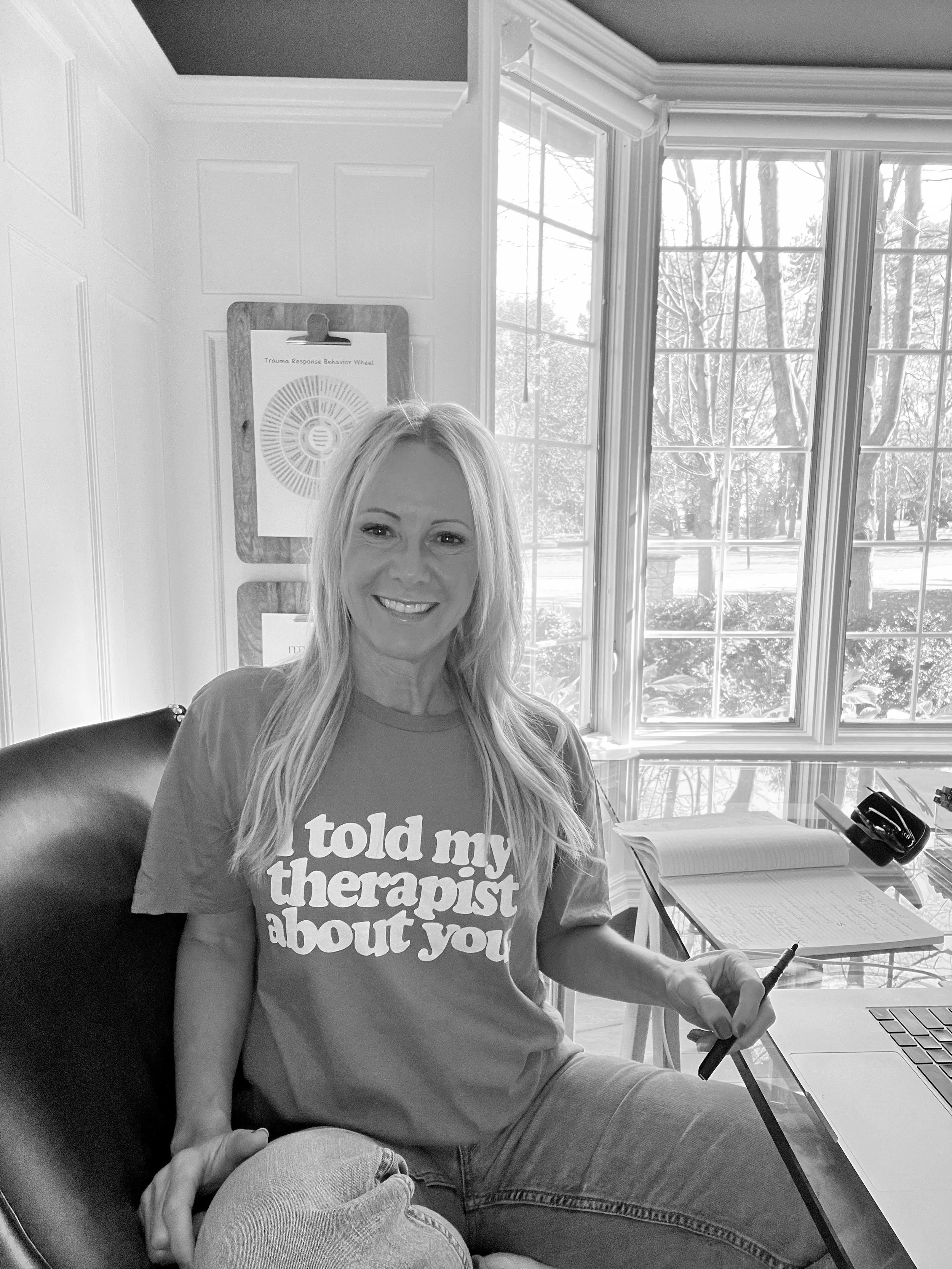
you got this.
Whether you're looking to address a specific concern or just need someone to talk to, let's see if we're a good fit.
A free consult isn't a commitment; it's simply a real-time introduction. No forms to fill out in advance, no pressure to have the right words ready, and no expectation that you'll know exactly what you need before we talk. We'll get a feel for each other, you'll get your questions answered, and you'll decide from there whether this feels right.