

services
my sessions are designed for you
Therapy with me is warm, honest, collaborative, and real. I’m not here to sit back and analyze you or tell you how you should feel. I am far from clinical, although occasionally I will wear glasses to look smart. I’m here to get curious with you, notice the patterns, ask the questions that might be hard to ask yourself, and gently challenge you when it could help. We’ll make sense of what’s happening beneath the surface and figure out what you actually need.
You might expect therapy to be serious, structured, and a little uncomfortable. Sometimes it is. But it can also be funny, relieving, messy, surprising, and deeply human. You don’t have to perform here. You don’t have to know exactly what you’re looking for. You just have to show up.

individual therapy for students & young adults
The Vault is a place to talk about the stuff that’s taking up space in your head without having to edit yourself or pretend you’re fine. It’s a judgment-free space where you don’t have to worry about what your friends, partners, roommates, or even your parents might think or feel about what you’re saying. This is your space to sort out you, and you get to be honest in it.
We’ll talk, get curious about what’s going on, notice patterns, and figure out what might actually help. You don’t need to know how therapy works or have a perfectly organized list of problems. You don’t need to have the right words or know exactly where to start. You just need to show up.
-
In The Vault is for the student or young adult who looks like they’re holding it together on the outside, but internally feels overwhelmed, stuck, anxious, disconnected, burnt out, bored, or just plain unsure.
It’s for the person navigating school, relationships, family, big decisions, independence, expectations, sudden loss or change, and all the plot twists that happen while transitioning into adulthood. Maybe you’re questioning what you want, where you’re headed, or why something that used to feel manageable suddenly doesn’t.
It’s for the individual who has secretly leaned on TikTok therapy and Claude; knows the group chat isn’t cutting it; and wants real support from a real person who will keep things real.
You don’t have to be in crisis to deserve support. You just know something feels off, and you want to figure out why.
-
Therapy with me isn’t the right fit for every situation, and that’s okay. If you need a level of care that is more intensive than what I provide, such as ongoing crisis support, hospitalization, or specialized treatment outside my scope of practice, I’ll be honest about that and help connect you with the right kind of support.
If you’re in immediate danger or experiencing a mental health crisis, the vault is not a crisis service. Please contact:
Reach Out 24/7: Free, confidential, 24/7 mental health and addiction support for people in London and surrounding areas. You can call or text 519-433-2023 or 1-866-933-2023.
Talk Suicide Canada: Call or text 988 for 24/7 suicide crisis support anywhere in Canada.
Emergency: If you are in immediate danger or need urgent medical attention, call 911 or go to your nearest emergency department.
-
How often do we meet? There is no formula to follow. Weekly, biweekly, or something more flexible can all make sense depending on what you’re working through. I don’t cap clients with biweekly sessions. If weekly support makes sense for you, we can do weekly.
And guess what else? We are allowed to change our minds.
It is not unusual for clients to start off weekly and then move to biweekly sessions. It’s also not unusual for former clients to check back months or now even years after with new concerns.
We’ll talk about what you need, what feels realistic with your schedule and budget, and what will give you enough legs and consistency to actually get somewhere with the work. The goal isn’t to keep you coming forever. It’s to give you the support you need, for as long as you need it.
-
Short answer: as long as they want.
Some people come in for a few sessions to work through something specific. Others stay for several months or longer because there’s more they want to explore. There’s no prescribed timeline. It depends on what brought you in, what you’re working toward, and what feels right for you.
Therapy isn’t a subscription you have to keep renewing just because you started. We’ll check in along the way about whether it’s still useful, what’s changing, and what you need next.
sessions based on availability
-
A 55-minute private online therapy session offers a supportive space to pause, reflect, and explore what matters most. Online therapy offers the flexibility to create a therapeutic space that fits into your life without the added time or stress of travel.
Sessions are held through a secure, privacy-focused platform designed to support PIPEDA and PHIPA requirements for protecting personal health information.
$165/session (GST/HST exempt)
-
Sometimes, big thoughts require big space. These 85-minute private online therapy sessions offer the time and space to slow down, explore deeper thoughts, emotions, and experiences, and move through meaningful work at your own pace.
Online therapy offers the flexibility to create a therapeutic space that fits into your life, allowing you to focus on the work without the added barriers of travel or busy schedules.
Sessions are held through a secure, privacy-focused platform designed to support PIPEDA and PHIPA requirements for protecting your personal health information.
$235/session (GST/HST exempt)
-
Sometimes, you need a space that is just for you. These 55-minute in-person therapy sessions offer dedicated time to slow down, explore what is happening beneath the surface, and build greater self-awareness and understanding.
The in-person setting creates an opportunity for genuine connection and a grounded therapeutic experience where you can feel supported, seen, and heard.
Available in London ON exclusively.
$165/session (GST/HST exempt)
-
Sometimes, big thoughts require more space. These 85-minute in-person therapy sessions offer dedicated time to slow down, explore what is happening beneath the surface, and move through deeper thoughts, emotions, and experiences at your own pace.
The in-person setting creates an opportunity for genuine connection and a grounded therapeutic experience where you can feel supported, seen, and heard.
Available in London, ON exclusively.
$235/session (GST/HST exempt)
-
Therapy should be accessible, annnnnd I also have a business to run. More than one thing can be true.
I reserve a limited number of reduced-rate spots for students who need a little extra flexibility with the cost of therapy. There’s no complicated application process and no need to prove that you’re “struggling enough.” We’ll have an honest conversation about your circumstances and what feels manageable.
If the sliding-scale spots are currently full, I do offer a waitlist. Availability can change, so it’s always worth checking in.

integrative therapy 101
think of it like an alarm going off in your brain
I am an integrative therapist and I explain it like this:
Are things feeling loud? Sometimes life gets so overwhelming that everything feels like too much. Your mind won’t switch off, your anxiety kicks in, your emotions feel bigger than you can manage, or even the smallest things start to feel like a lot. It can be hard to know what you need, let alone where to start.
Think of it like an alarm going off. Some therapeutic approaches help turn down the volume short term so you can catch your breath, feel more grounded, and get through what’s happening right now. Some help protect you from the noise. Others help you figure out what’s setting the alarm off in the first place. And some help you understand why it keeps getting triggered, so you can work toward changing the patterns underneath it rather than feeling like you’re constantly putting out fires.
That’s where I come in. I’m the alarm whisperer.
I integrate different therapy approaches based on what you need, where you’re at, and what’s actually going to be helpful. Sometimes we need something to get you through the right now. Sometimes we need to dig a little deeper. And sometimes we do both.
-
Client-centred therapy means you are the expert on you. I’m not here to tell you who you should be, what you should feel, or how your life is supposed to look. I’m here to listen, get curious, and create a space where you can figure out what you actually need, at your own pace. Basically, you bring the you, and I’ll meet you there.
-
IFS is based on the idea that we all have different parts of ourselves that show up for different reasons, especially when life gets messy. We’ll get curious about those parts instead of judging them, figure out what they’re trying to protect, and help you understand what’s happening beneath the surface. It’s not about getting rid of parts of yourself; it’s about getting to know yourself a little better and helping all those voices in your head work together.
-
Psychoeducation is basically learning how your brain, body, emotions, and behaviours actually work so you can make more sense of what’s happening. Sometimes I’ll nerd out and break down the science behind things like stress, anxiety, emotions, relationships, and your nervous system, because understanding the why can make the what do I do with this? a whole lot easier. This is where we get to geek out about how your brain works while remembering that, at the end of the day, this is all part of being human.
-
CBT is about noticing the connection between what you think, how you feel, and what you do, especially when your brain gets stuck on repeat. We’ll look at the thoughts and patterns that might be keeping you stuck, then figure out what you can actually do differently. It’s not toxic positivity or “just think happy thoughts”; it’s about understanding your brain and giving yourself more options.
-
DBT is about learning how to handle big feelings without letting them completely take the wheel. We’ll work on things like emotional regulation, coping with stress, navigating relationships, and getting through those “everything is too much” moments without making things worse. It’s not about becoming less emotional; it’s about learning what to do with the emotions you already have.
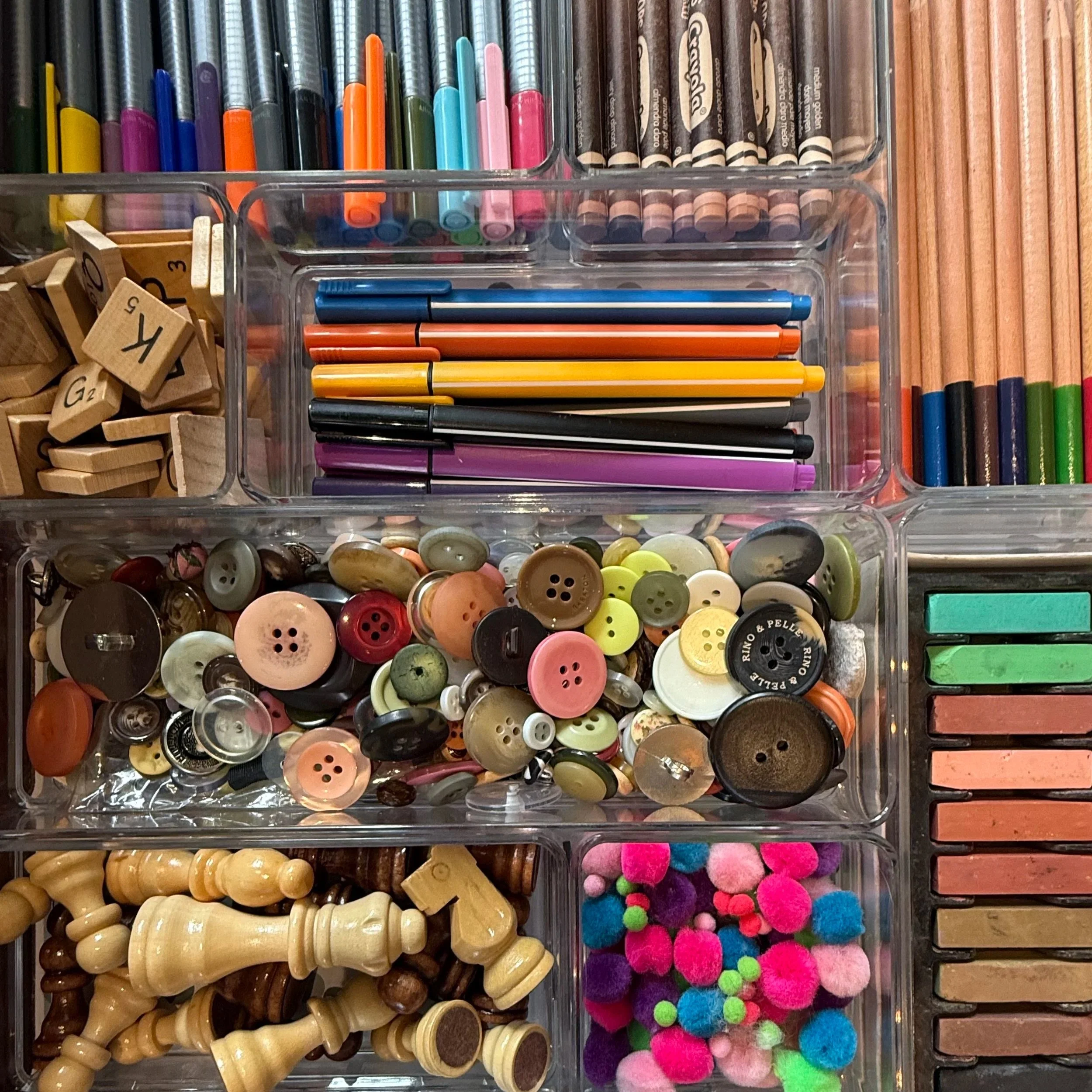
the first rule of art therapy is we don’t talk about art therapy
Okay, fine. We can talk about it a little because it is a modality I sometimes introduce to clients. But let’s get something straight.
You don’t have to be good at it. You don’t need to know what you’re doing, and there is absolutely no expectation that you’ll create some masterpiece. This isn’t art class. In fact, I don’t even really use the word “art.” I might ask if you want to try an exercise to help calm your nervous system, hand you some supplies to play around with, or toss a book at you to rip up and release some anger.
Sometimes words just aren’t enough. We might draw, paint, doodle, scribble, make graffiti, collage, rip things up, tear things apart, put them back together, play with colour, use images, or make something completely ridiculous. Whatever helps you get what’s in your head out of your head.
It’s not about making pretty things. It’s about getting curious about what shows up when you stop trying to find the right words.
And if you’d rather talk the whole time? I’m down. Creative work is an option, not a requirement.
“you’re one of a kind and your therapy should be too”
-she whispers to the alarms sounding off in ur head

psssst: come as you are
You don’t need the right words, a tidy list of problems, or a perfect plan. A free consult is a no-pressure conversation where you can ask me anything, get a feel for how I work, and see if this feels like the right fit before you commit to a thing. I’ll be warm, honest, and real..
You don’t have to perform. You just have to show up.